
Ward Ashton
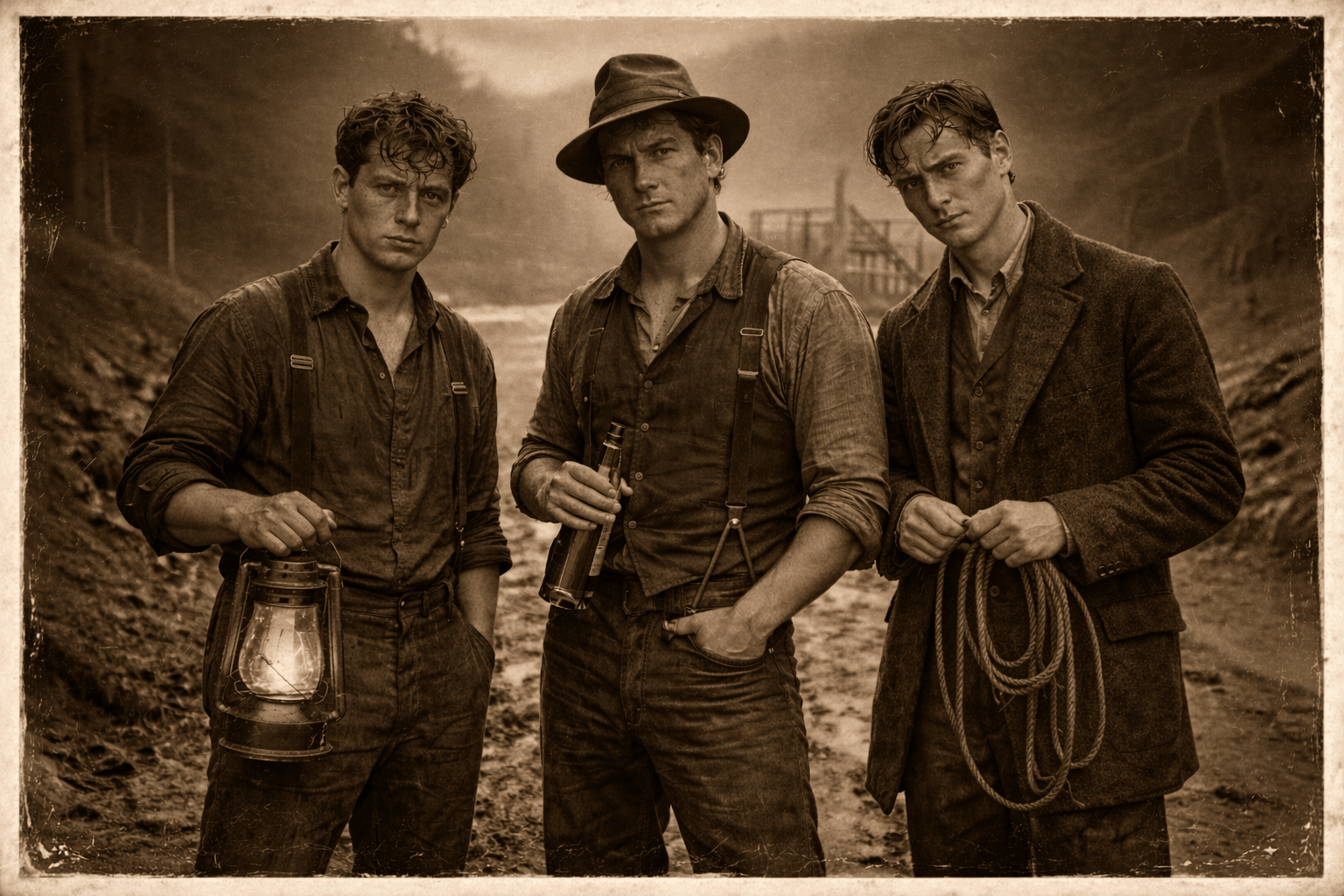
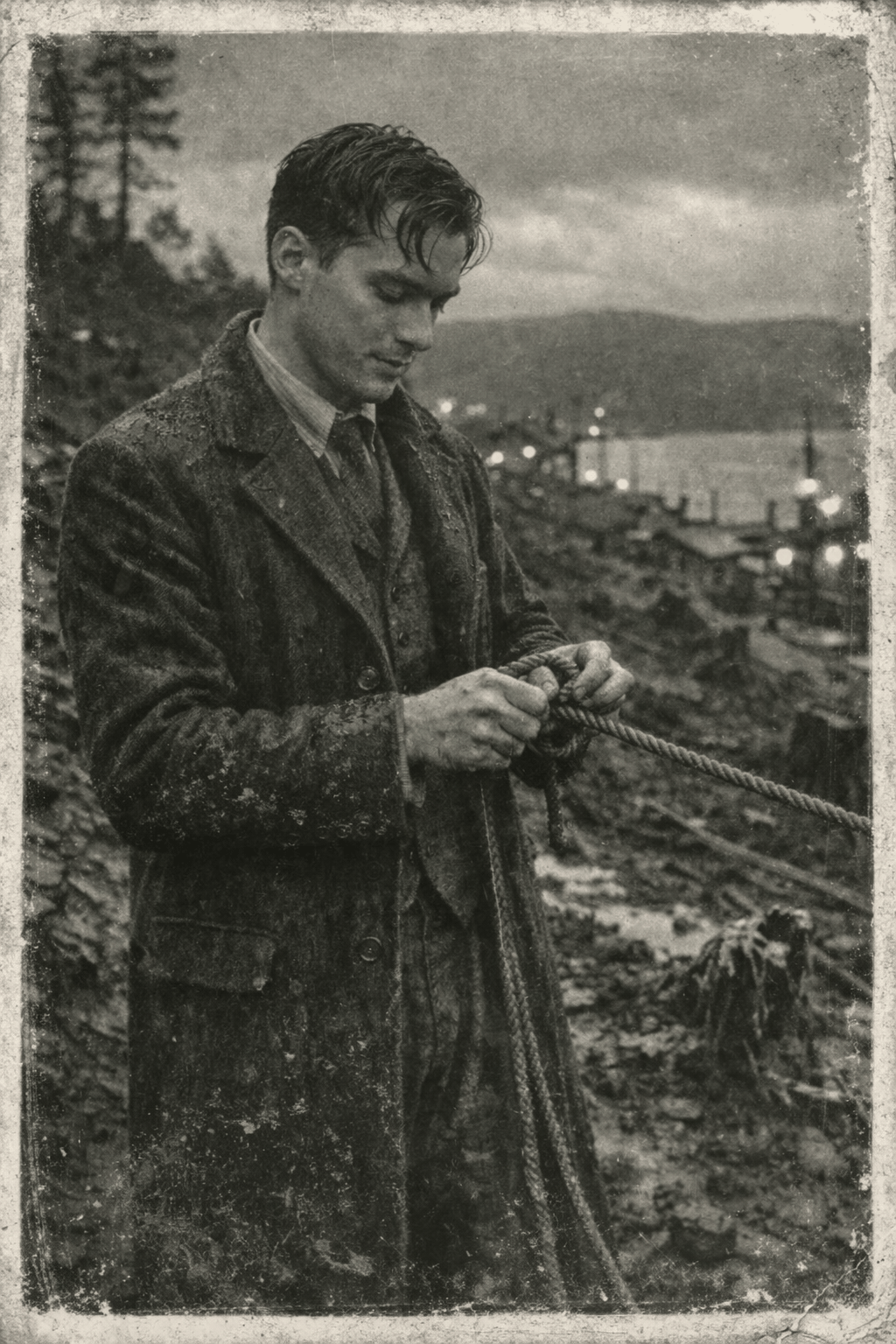 | |
| Ward Ashton | |
| Born | June 3, 1900 |
|---|---|
| Birthplace | Briarmont, CA |
| Died | November 19, 1974 |
| Place of death | Corvallis, OR |
| Spouse | Eleanor Ashton |
| Parents | Edmund Ashton Eliza Harrow Ashton |
| Children | Shaun Ashton Margaret Eleanor Ashton Johnathan Ashton |
| Gender | Male |
| Circumstances of death | Complications following a stroke. |
| Organization | Alpha Chi Epsilon Fraternity |
| Affiliations | Hartwell Timber Co. Oakridge College Oakridge Institute of Forestry and Land Sciences |
Overview
Ward Ashton was the third of the three co-founders of Alpha Chi Epsilon Fraternity (AXE), and in some ways the least obvious candidate for what he became. The nephew of a former Hartwell Timber Operations associate, he arrived at Oakridge Institute of Forestry and Land Sciences in 1919, suffocating under an expectation he could not fulfil or escape. An expectation that he would restore what his family's connection to Hartwell had cost them, or at a minimum, stop making things worse.
He was suited to neither task. What he was suited to, though nobody had told him so, was the precise and patient work of reading the land.
He was the one who tied the knot.
Description
Ward was the most physically presentable of the three founders - well-dressed by the standards of the outbuilding they shared, careful with his appearance in a way that read less as vanity than as armor. He had the manner of someone who had been taught from childhood how to behave in rooms, and the eyes of someone who was not sure the rooms were worth the effort.
He was quieter than he seemed at first encounter. People often mistook his composure for confidence. The composure was real. The confidence took longer.
Traits and motivations
Ward was a careful observer with a talent for structural thinking. He saw how things held together, and more importantly, where they were likely to fail. This made him a natural in the land sciences program, where understanding fault lines, soil composition, and drainage systems required exactly that kind of attention.
He was motivated, in his first year, primarily by a need to prove something. To himself as much as to anyone else. By the end of the founding winter, this had shifted. The proof he had been looking for turned out to be less important than the fact of being known by two people who had seen him in the rain on a muddy hillside and had not revised their opinion of him downward.
He was the most socially fluent of the three founders, which he deployed in service of the other two but didn't like to make a show of it. He was the one who knew how to talk to the bursar.
Routine
Ward's days had a formality that the other two founders didn't. He attended lectures in the order they were scheduled, took structured notes, and ate at regular times. This was less a reflection of discipline than of the way he had been raised. His family kept routines as a form of respectability, and he had taken on the structure without really examining whether he wanted it.
After the founding winter, his routine took on something it hadn't had before: flexibility. He began organizing his day around what was needed rather than what was scheduled. This sounds small, but for him it was a big change in his way of seeing the world.
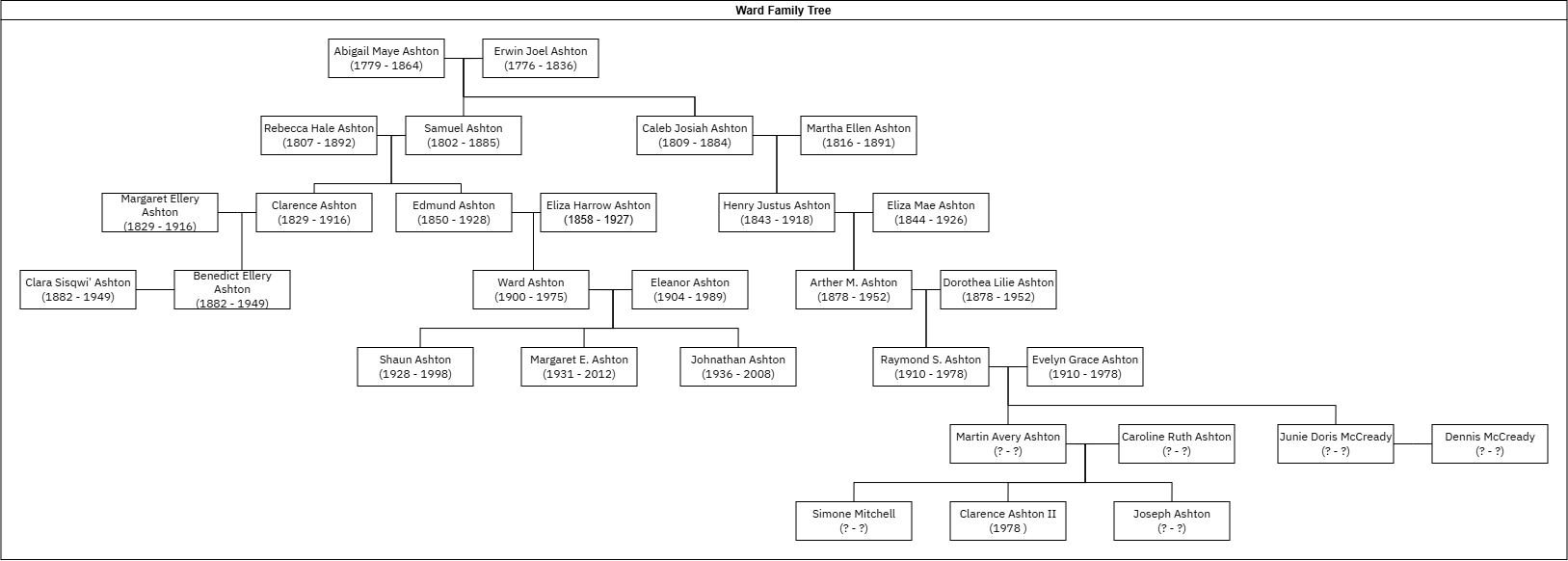
Family Tree
Legacy
During his apprenticeship at the Oakridge Institute of Forestry and Land Sciences, Ward Ashton became known for careful fieldwork rather than public brilliance. His strengths lay in observation, documentation, and practical analysis. He worked on slope surveys, drainage studies, soil records, and early restoration mapping in the damaged lowlands around the former Hartwell estate. While others were more comfortable with theory or public argument, Ward proved useful because he could look at a hillside, a creek bank, or an old company map and understand where failure had already begun.
Ward’s family name gave his work a complicated significance. As the nephew and heir of Clarence Ashton, one of Hartwell Timber Company’s original operational figures, Ward carried a direct connection to the system Oakridge had been founded to answer. He did not reject that connection publicly, nor did he attempt to excuse it. Instead, much of his early work at the Institute can be understood as a quiet attempt to convert inherited responsibility into practical service. He was especially drawn to records, boundaries, drainage patterns, and the physical evidence left behind by earlier logging decisions.
After completing his apprenticeship, Ward remained in Briarmont for many years and continued to work in close association with Theodore Crenshaw. He assisted with field surveys, restoration planning, civic land-use questions, and the Institute’s growing archive of Hartwell-era documentation. Ward was not remembered as Crenshaw’s equal in scientific reputation, but he was one of the people who helped make Crenshaw’s standards workable on the ground. His work connected institutional research to the practical needs of the town: unstable slopes, damaged waterways, invasive plantings, property boundaries, and the long-term recovery of land that had been treated for decades as expendable.
Inheritance of The Ashton Residence
The Ashton Residence became an increasingly difficult symbol during this period. Though Ward had inherited the property from Clarence, his father Edmund remained a living presence in the family until his death in 1928.
Decline of the House After Edmund’s Death
After the death of Edmund Ashton, the house began to decline in a more visible way. Ward maintained it enough to prevent complete ruin, but he did not restore it as a family monument. Rooms were closed, gardens were allowed to grow out of order, and the building came to reflect Ward’s unresolved relationship with the Ashton name itself. It was not abandoned, but neither was it truly claimed.
Donation of The Ashton Residence to Oakridge College (1948)
Ward’s eventual decision to give The Ashton Residence to Oakridge College after the Institute became an accredited college was one of the defining acts of his later life in Briarmont. The donation transformed a private family burden into a public academic resource and marked the end of the house’s role as a symbol of Ashton authority. In that sense, Ward’s legacy is not best understood through speeches, discoveries, or personal ambition. It rests in the practical redirection of inherited power: land, records, property, and responsibility turned toward study, preservation, and civic use.
Copy this page (or pull it up from the editor's template picker, once this one is flagged as a template) and fill in every [bracketed placeholder]. Delete this notice block once the note is ready for other eyes.
Once the lore is settled, move the finished page out of Lore & Canon's template area and into [Book / Chapter] — or use it as the basis for a full typed wiki article once it graduates.
Set a stage tag on this page from the editor's tag panel: start at stage=draft, then advance it (in-review, then approved or canon) as the document matures — the Article Status Board tracks every page's stage.
Credits
Written by: Rylan Blake & Charles Fairweather